Cities, castles and coffee-and-cake time
From Berlin, still marked by the Wall, to the fairy-tale castles of Bavaria; from the vineyards of the Rhine to the trails of the Black Forest. A guide to getting to know Germany city by city — with an afternoon coffee along the way.
November 13, 2026 · 3 min read
At first glance Germany is known for its order: punctual trains, spotless squares, cities that run like clockwork. Look a little closer and you find a country of many layers — each state with its own dialect, its own bread, its own calendar of festivals. This guide tries to open those layers through a traveller's eyes.
Berlin: an open-air history museum
The capital, Berlin, carries all the upheavals of the 20th century in its streets. The Brandenburg Gate was once the symbol of a divided city; today it stands for reunification. The East Side Gallery, one of the longest surviving stretches of the Berlin Wall, has become an open-air gallery of paintings by artists.
Museum Island, in the middle of the River Spree, is home to five major museums and is a UNESCO World Heritage Site. But you'll find Berlin's real character in its neighbourhoods — each one living like a city of its own, with markets and parks.
Bavaria: Munich and fairy-tale castles
Bavaria, in the south, is one of the most photographed corners of Germany. Its capital, Munich, is known for its beer halls and large parks; the world-famous Oktoberfest starts every year in mid-September and runs into the first days of October.
At the foot of the Alps near Füssen, Neuschwanstein Castle was built in the 19th century by King Ludwig II of Bavaria and is now one of the best-known castles in the world. Bavaria's small towns, with their painted façades and mountain views, are just as memorable.
The Rhine Valley, Cologne and the Black Forest
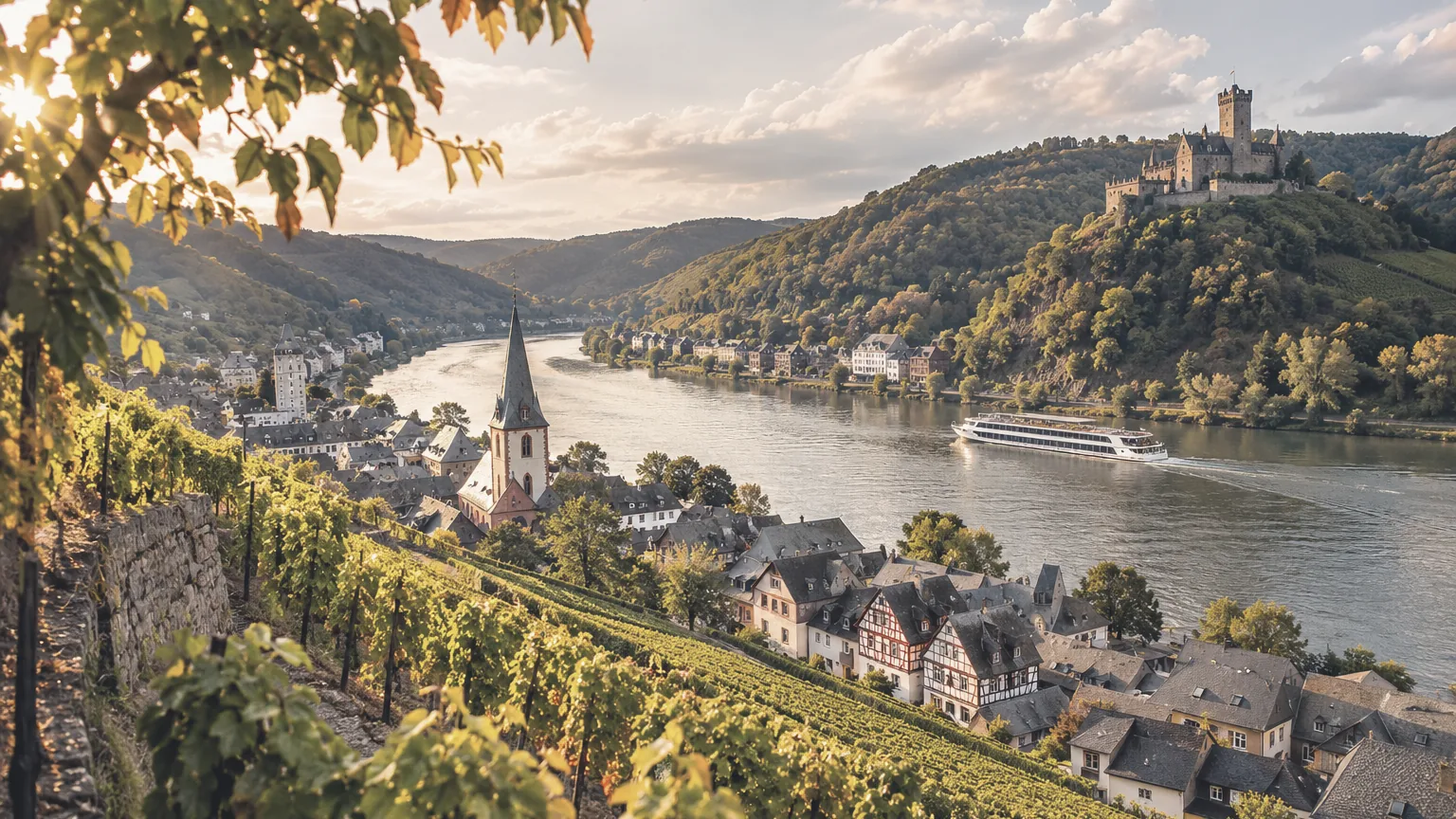
The stretch of the Rhine between Bingen and Koblenz is the Upper Middle Rhine Valley, a UNESCO World Heritage Site lined with terraced vineyards and hilltop castles. A trip along the river by boat or train offers some of Germany's most romantic scenery.
Further north, the Gothic spires of Cologne Cathedral — also on the UNESCO list — can be seen from all over the city. In the south-west, the Black Forest shows a different Germany: dense woods, cuckoo clocks and the cherry cake that carries its name.
Kaffee und Kuchen: the afternoon ritual
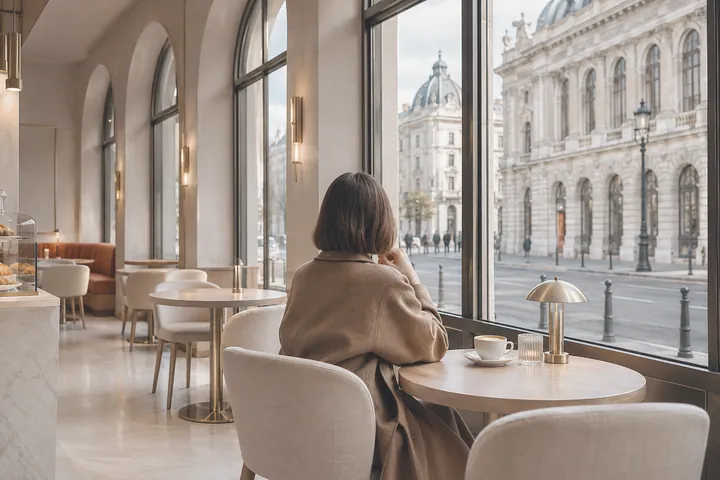
In Germany, afternoon coffee is a small ritual. In the tradition known as Kaffee und Kuchen, coffee comes with a slice of cake or tart, and cafés and patisseries fill up especially on weekend afternoons.
Bread is a subject of its own: German bakeries stock dozens of rye, wholegrain and seeded loaves. A fresh Brötchen for breakfast, a Brezel on the go — bakeries sit at the centre of daily life.
Winter: Christmas markets
During Advent, from late November to Christmas, the squares of German cities fill with wooden stalls. Christmas markets sell mulled wine, roasted almonds, handmade decorations and gingerbread. Nuremberg's Christkindlesmarkt is one of the most famous.
Good to know
- Getting around: Germany has an extensive rail network; fast ICE trains connect the major cities.
- Sundays: many shops are closed on Sundays, while cafés, restaurants and museums are usually open.
- Seasons: summer for cities and river trips, December for Christmas markets, winter for the Alps.