The rocks of AlUla, the mud-brick lanes of Diriyah and the Red Sea
The rock-cut tombs of the Nabataeans, the mud-brick quarters of Diriyah, the coral-stone houses of Jeddah and the date-palm oasis of Al-Ahsa. A guide to travelling Saudi Arabia with Arabic coffee and kabsa.
November 14, 2026 · 2 min read
When Saudi Arabia introduced tourist visas in 2019, it became one of the new routes the world was curious about. Archaeological sites thousands of years old, mud-brick towns, red cliffs and the Red Sea coast make up the many faces of this vast country. Mecca and Medina welcome Hajj and Umrah pilgrims from all over the world.
AlUla and Hegra
AlUla, in the north-west of the country, is breathtaking with its wind-sculpted red rock formations and valleys. Hegra (Mada'in Salih), with the monumental tombs the Nabataeans carved into the rock, became Saudi Arabia's first UNESCO World Heritage Site in 2008.
At Hegra, the largest southern settlement of the Nabataeans who built Petra in Jordan, the carvings on the rock façades have stood in the desert for two thousand years.
Riyadh and Diriyah
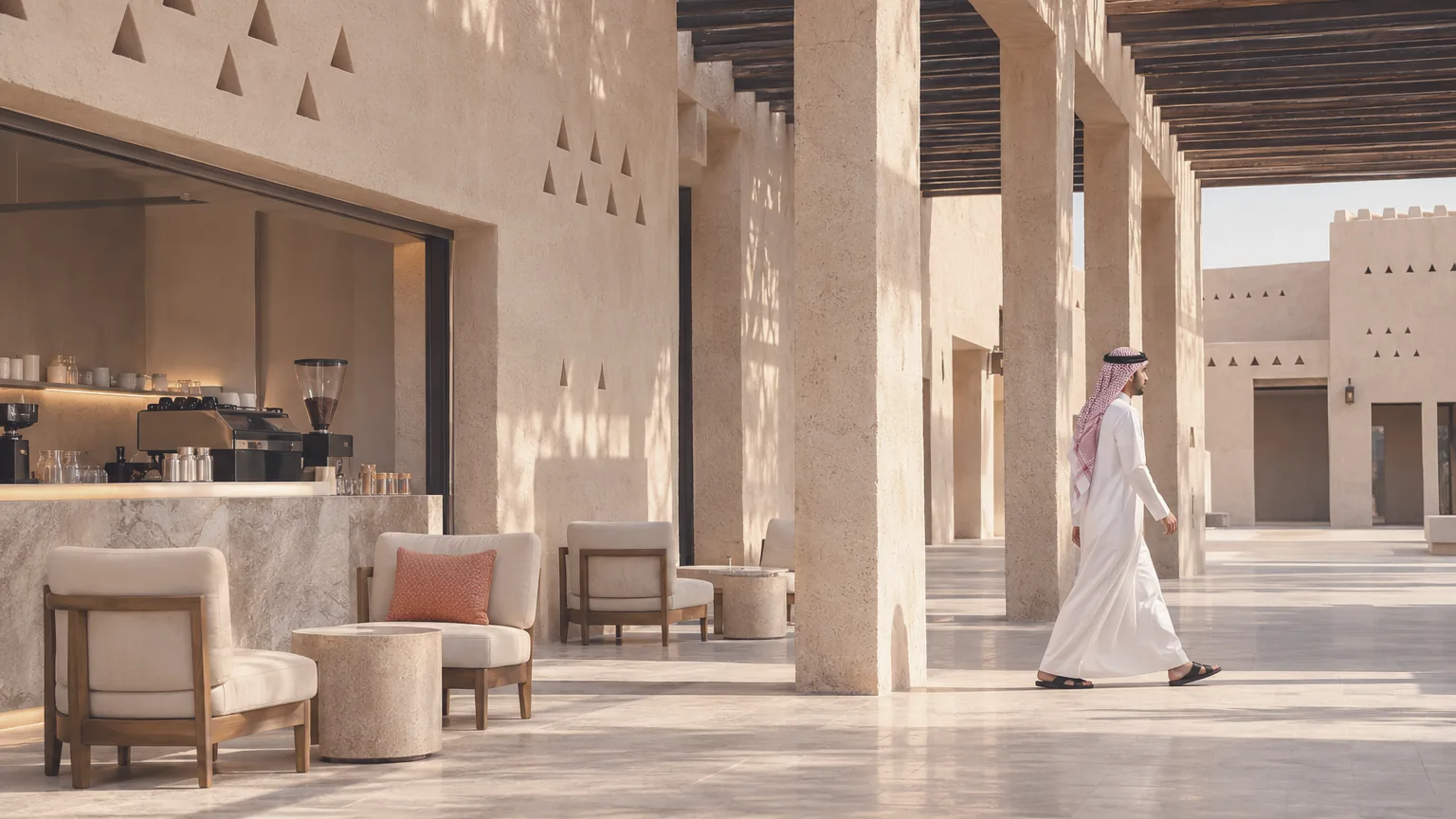
Diriyah, on the edge of the capital Riyadh, was the capital of the first Saudi state. Its At-Turaif District, with its mud-brick buildings, became a UNESCO World Heritage Site in 2010.
North-west of Riyadh, the 'Edge of the World' (Jebel Fihrayn), where the flat desert suddenly ends in cliffs hundreds of metres high, is one of the most popular day trips from the city.
Jeddah and the Red Sea
The historic district of Jeddah on the Red Sea, with its multi-storey coral-stone houses and wooden latticed balconies, became a UNESCO World Heritage Site in 2014 as 'Historic Jeddah, the Gate to Makkah'. The Corniche along the coast is the place for evening walks.
The clear waters and coral reefs of the Red Sea are known for diving and snorkelling.
Al-Ahsa: the date-palm oasis
Al-Ahsa in the Eastern Province, with millions of date palms, is one of the largest oases in the world. With its springs, canals and historic buildings, the oasis became a UNESCO World Heritage Site in 2018.
The table: kabsa, dates and Arabic coffee
Kabsa, made with spiced rice and meat, is considered Saudi Arabia's national dish and is shared from large platters. The first thing offered to a guest is cardamom Arabic coffee and dates; the tradition of Arabic coffee was added to UNESCO's Intangible Cultural Heritage list in 2015.
Hundreds of varieties of date grow in the country; date markets, with their range of colours and textures, are a stop in their own right.
Good to know
- The most comfortable season to visit is October to March.
- In public places, modest clothing that covers the shoulders and knees is expected.
- Only Muslim visitors may enter Mecca.